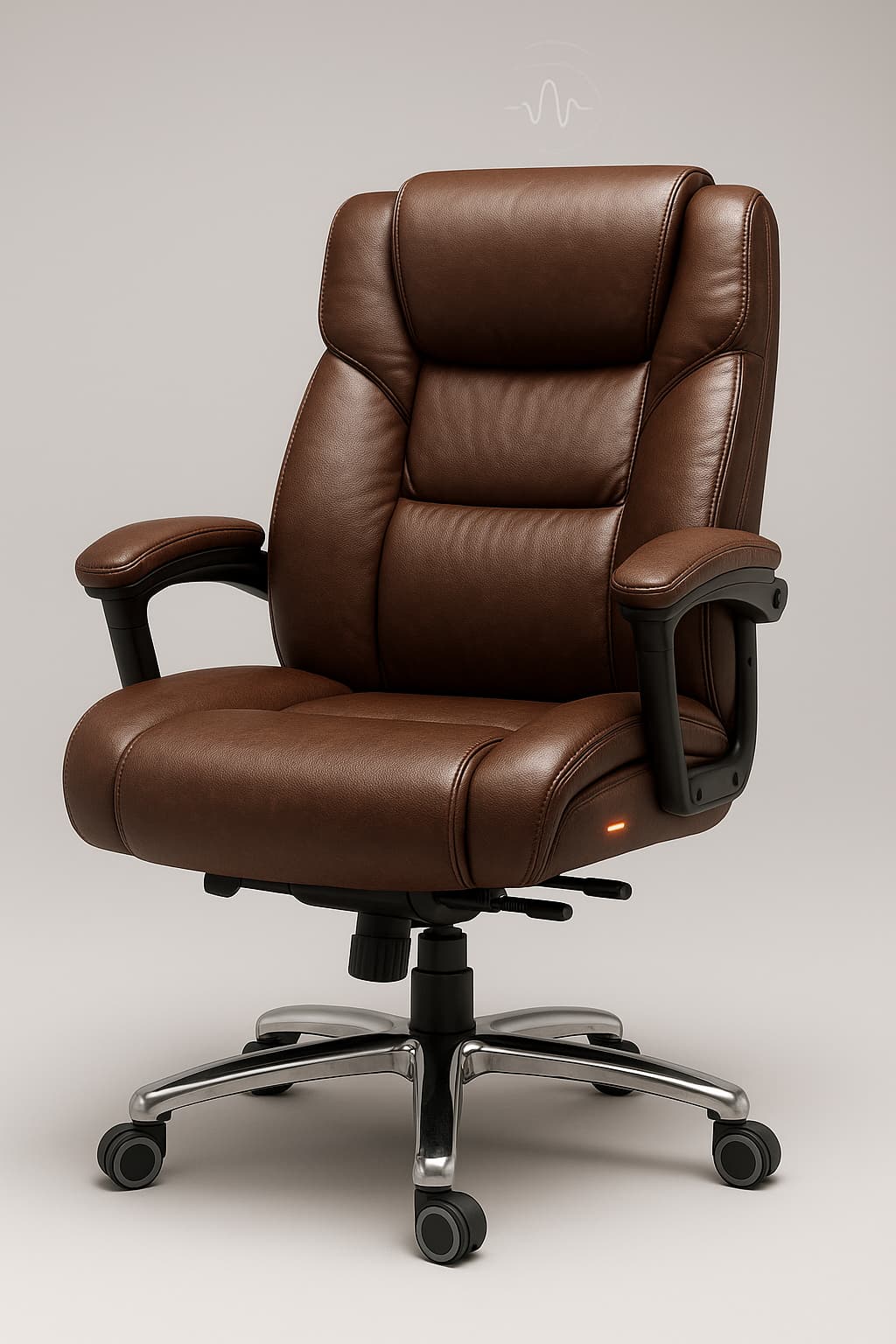
Executive office chairs deserve a practical review because they need to look appropriate while supporting long workdays. Start with LeStallion's shortlist of best executive office chairs, then use this guide to check fit, materials, support, room layout, and long-term use.
Start with the person who will sit in it
An executive office chair is not only a status piece. It is a daily work tool for long calls, focused review, writing, planning, and meetings. The right chair should match the user’s height, preferred posture, desk height, and normal work rhythm. A chair that looks impressive can still fail if the seat is too deep, the arms are too high, or the back support encourages slouching after an hour.
For adjustability, fit, and seat dimensions, make the test specific: sit at the actual desk, roll back, reach the keyboard, turn toward storage, and imagine a two-hour call. A good executive chair should feel supportive during real tasks, not just impressive when empty.
Balance presence with real ergonomic support
Executive chairs often use larger silhouettes, padded backs, leather-like finishes, and polished bases. Those details can suit a private office or client-facing room, but comfort still comes first. Look for useful lumbar support, stable recline tension, supportive cushioning, and a seat shape that allows the user to sit back without pressure behind the knees. Presence should support the room, not hide poor fit.
For adjustability, fit, and seat dimensions, make the test specific: sit at the actual desk, roll back, reach the keyboard, turn toward storage, and imagine a two-hour call. A good executive chair should feel supportive during real tasks, not just impressive when empty.
Check adjustability before judging comfort
Seat height, tilt lock, recline tension, arm position, and headrest shape all affect daily comfort. Some executive chairs look adjustable but offer only basic height and tilt controls. Others provide enough tuning to fit several body types. If the chair will be shared or used in a conference office, simple and obvious controls may be more valuable than many hidden levers.
For adjustability, fit, and seat dimensions, make the test specific: sit at the actual desk, roll back, reach the keyboard, turn toward storage, and imagine a two-hour call. A good executive chair should feel supportive during real tasks, not just impressive when empty.
Evaluate materials for heat, wear, and cleaning
Leather, bonded leather, faux leather, fabric, and mesh each behave differently. Smooth finishes look formal and clean easily, but they may feel warm during long sessions. Fabric can feel softer but needs more care around spills. Mesh can breathe well, though it may not deliver the classic executive look. Consider climate, cleaning habits, and how the chair will age under daily use.
For adjustability, fit, and seat dimensions, make the test specific: sit at the actual desk, roll back, reach the keyboard, turn toward storage, and imagine a two-hour call. A good executive chair should feel supportive during real tasks, not just impressive when empty.
Think about the room around the chair
A large executive chair needs space to roll, recline, swivel, and fit under the desk. Measure the desk opening, chair mat, side storage, door swing, and visitor path. A chair that dominates a small office can make the room feel cramped. The best option should look intentional with the desk, not like a showroom piece squeezed into the wrong footprint.
For adjustability, fit, and seat dimensions, make the test specific: sit at the actual desk, roll back, reach the keyboard, turn toward storage, and imagine a two-hour call. A good executive chair should feel supportive during real tasks, not just impressive when empty.
Review durability and warranty honestly
Executive chairs often cost more, so the frame, base, casters, gas lift, stitching, and upholstery should be judged carefully. Warranty terms matter because chairs wear through moving parts and surfaces. Check weight rating, replacement-part availability, and real maintenance expectations. A chair that can be adjusted, tightened, and cleaned easily will usually age better than a delicate chair chosen only for appearance.
For adjustability, fit, and seat dimensions, make the test specific: sit at the actual desk, roll back, reach the keyboard, turn toward storage, and imagine a two-hour call. A good executive chair should feel supportive during real tasks, not just impressive when empty.
Match the chair to work style
A chair for focused desk work may need firmer support and better arm alignment. A chair for meetings may prioritize upright posture and a polished look. A chair for a private office may need both comfort and a strong visual impression on video calls. Define the work style before comparing models so the decision does not drift toward the biggest or most dramatic option.
For adjustability, fit, and seat dimensions, make the test specific: sit at the actual desk, roll back, reach the keyboard, turn toward storage, and imagine a two-hour call. A good executive chair should feel supportive during real tasks, not just impressive when empty.
Test the full workstation, not the chair alone
Chair comfort depends on the desk, keyboard, monitor, lighting, flooring, and available movement. Even a strong executive chair can feel wrong if the monitor is low, the desk is too high, or casters fight with carpet. Treat the chair as one part of a complete office setup and make small adjustments after the first week.
For adjustability, fit, and seat dimensions, make the test specific: sit at the actual desk, roll back, reach the keyboard, turn toward storage, and imagine a two-hour call. A good executive chair should feel supportive during real tasks, not just impressive when empty.
After fit, support, room layout, and maintenance are clear, return to LeStallion's comparison of the best executive office chairs to choose the model that matches the office and user.
Practical executive-chair checklist
Before choosing a model, measure seat height needs, desk clearance, user height range, chair base width, floor surface, and the distance needed to roll back from the desk. Note whether the chair will sit on carpet, hard floor, or a mat. Check that the arms can clear the desk or sit comfortably beside it, because arm interference is one of the fastest ways to make an expensive chair feel poorly matched.
Look beyond the first impression. Sit depth, cushion firmness, recline control, and arm comfort are easier to miss in product photos than upholstery color. If the chair is meant for a leadership office, also think about how it appears in video calls and whether the back height blocks shelves, artwork, or natural light. A polished office still needs a chair that supports ordinary work.
Long-term care and office fit
Plan cleaning and maintenance from the start. Wipe smooth upholstery, vacuum seams, check caster movement, and tighten hardware if the manual recommends it. Keep harsh cleaners away from materials that can crack, fade, or peel. If the chair is used every day, review the cushion and arm pads after the first month so small fit problems can be corrected with desk height, monitor height, or accessory changes.
For shared executive rooms, choose controls that guests can understand quickly. A chair that requires explanation may be fine for one owner but frustrating in a meeting office. For private offices, prioritize the primary user’s body measurements and daily work habits. That is where a better chair creates the most value.
The strongest executive office chair feels supportive, stable, and appropriate for the room. It should help the user look settled on calls, work comfortably through long sessions, and keep the office visually coherent. That blend of comfort and presence is more important than simply choosing the largest chair or the softest cushion.
Finally, keep expectations realistic. No executive chair solves a poor workstation by itself. Pair it with correct monitor height, reachable keyboard position, proper floor protection, and a desk layout that encourages movement. The chair should anchor the setup, not compensate for every other ergonomic problem.
Before approving the chair, rehearse the whole workstation: desk height, arm clearance, caster path, floor surface, recline space, video-call view, cleaning routine, and warranty expectations. This catches the common problems before delivery, especially oversized chairs, shallow support, weak arm fit, awkward caster movement, and upholstery that does not match daily use. It also keeps the purchase grounded in normal executive work with calls, documents, meetings, planning, approvals, reviews, presentations, and focused writing. For the previous cloud support article in this series, see the row 269 office air purifier guide. This backlink stays near the bottom so the executive-chair advice remains focused.